Saint Holy 262 Martyrs
of Rome.
Also known as Two Hundred Sixty-two Martyrs of Rome, 262 Martyrs of Rome
A group of 262 Christians martyred in Rome whose identities are unknown. The Eastern Orthodox Church commemorates them collectively on March 25.
No troparion specific to this collective group of saints is found in standard Orthodox service books or canonical liturgical sources. Commemorations of collective or unnamed martyrs typically employ common troparion formulas for martyrs drawn from the liturgical tradition.
Where a service is celebrated for the Holy 262 Martyrs, the following common troparion for martyrs may be sung:
Tone 4:
Thy Martyrs, O Lord, in their struggles received incorruptible crowns from Thee, our God; for with Thy strength they laid low their adversaries, and shattered the powerless boldness of demons. By their intercessions, O Christ God, save our souls.
The Holy
262 Martyrs of Rome
The Holy 262 Martyrs of Rome are commemorated collectively by the Eastern Orthodox Church as unnamed victims of early Christian persecution. While their individual identities have been lost to history, they are venerated as faithful witnesses who died for Christ in the imperial city during the Roman persecutions.
Early years
The early lives of the 262 martyrs are entirely unknown. No historical records preserve their names, backgrounds, family origins, or individual circumstances. They are remembered only as a collective group of Christians who inhabited Rome during a period of persecution and refused to renounce their faith.
The fact that they numbered 262 suggests they may have formed a community or congregation, or that they were arrested and martyred together in a single event. Early Christian communities in Rome were diverse, encompassing both wealthy and poor, citizens and slaves, Romans and foreigners, yet the identifying marks of these particular believers have been lost.
In the Church
The Holy 262 Martyrs are honored by the Eastern Orthodox Church as representatives of the early Christian faithful who stood firm in their confession of Christ. As martyrs, they are ranked among the highest of saints, having sealed their witness with their blood during times of imperial hostility toward the Christian faith.
Their commemoration on March 25 places them in the liturgical calendar as a collective memorial rather than individual feasts. The church recognizes them as part of the succession of martyrs who gave their lives in Rome, contributing to the growth and spread of Christianity despite official persecution.
Later years
The circumstances of their martyrdom and the manner of their death are not preserved in surviving historical sources. Whether they were executed by sword, fire, wild beasts, or other methods of Roman execution remains unknown. Scholars have placed their martyrdom either during the Diocletianic Persecution (303–313) or in a later historical period, reflecting uncertainty about their exact date.
Their fates and the location of their execution are lost to history, yet the Orthodox Church preserves their memory as witnesses to the Faith, trusting that God knows each name and deed, even where human records have failed.
Legacy and veneration
The Holy 262 Martyrs of Rome remain a symbol of the countless early Christians whose names were not recorded yet whose sacrifice was precious to God. Their liturgical commemoration ensures that the anonymous faithful are not forgotten, and that their witness continues to inspire Orthodox believers to steadfastness in faith.
In the Eastern Orthodox tradition, collective feasts of unnamed martyrs serve to honor all those whose individual identities have been erased by time, while affirming that God remembers and loves each one. The Holy 262 Martyrs exemplify the universal call to martyrdom and faithfulness that marks the early Church's response to persecution.
How the saint's
memory is kept.
- When is the feast day of the Holy 262 Martyrs of Rome?
- March 25 in the Eastern Orthodox liturgical calendar.
- Why is so little known about the 262 Martyrs of Rome?
- Their individual identities, names, biographical details, and specific circumstances of death were not recorded in surviving historical sources. They are remembered only as a collective group.
- When did the 262 Martyrs of Rome suffer their martyrdom?
- Scholars debate their date. Some place them during the Diocletianic Persecution (303–313 AD), while others suggest a later period. Exact dating cannot be determined from available sources.
- Where were the 262 Martyrs of Rome martyred?
- They were martyred in Rome itself, though the specific location within the city is not recorded in surviving accounts.
- How does the Eastern Orthodox Church honor these martyrs?
- The Orthodox Church commemorates them liturgically on March 25 as unnamed witnesses to the faith, honoring all early Christians whose names were lost but whose sacrifice was precious to God.
- Are there relics of the 262 Martyrs of Rome?
- The location and preservation of any relics of these martyrs are unknown. Early Christian practice would have honored their remains, but no specific relic records survive.
No kontakion specific to the Holy 262 Martyrs of Rome is attested in standard Orthodox liturgical sources. Services to these saints would employ the common kontakion formula for martyrs from the Byzantine tradition.
The following common kontakion for martyrs may be used where a service commemorates the Holy 262 Martyrs:
Tone 5:
You appeared as bright lamps, O godly Martyrs. Your enlightened all creation with the brilliance of your miracles. As you free us from sickness and drive away forever the depths of darkness, pray without ceasing to Christ our God for all of us.
O Holy Martyrs of Rome, 262 in number, whose names are known to God alone, intercede for us who honor your memory. You have entered into the joy of your Master, having conquered through Christ the world and all its adversaries. Pray for the Orthodox Church and for all who suffer persecution for the sake of the Gospel. By your holy intercessions, grant us strength to confess the faith boldly, that we too may be found worthy of the crown of martyrdom, whether by the shedding of our blood or by the mortification of our passions. Amen.
Carry the tradition with you.
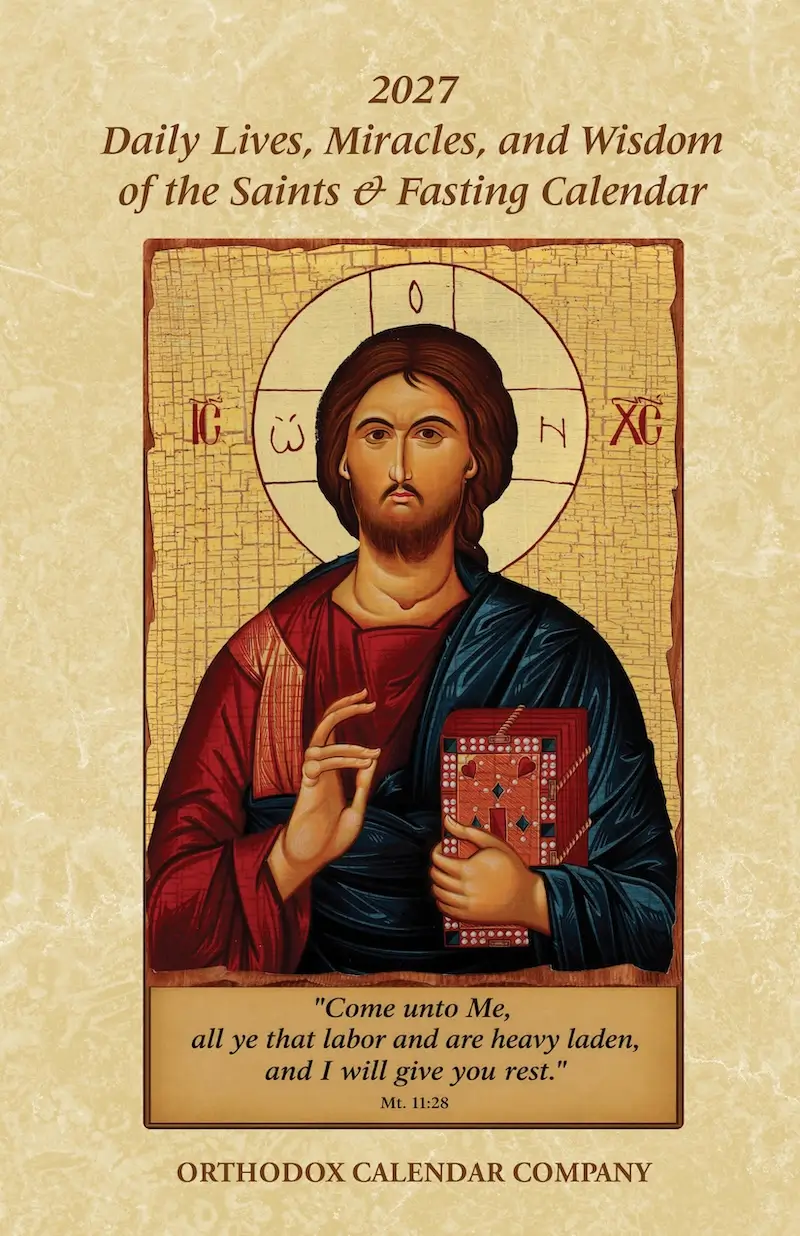
Hand-finished icons, books, and calendars to carry the Orthodox day into your home.

Read a life like this
every morning.
Meet the daily saints through Orthodox Daily Companion on iPhone and iPad, or through the Lives of the Saints web app in any modern browser.
Orthodox Daily Companion
The native Apple app, with a Home Screen widget, prayer reminders, and a private on-device journal.
Download on the App StoreLives of the Saints Web App
The browser experience for desktop, tablet, or phone, with a seven-day trial of the complete devotional library.
Open the web appGet a life like this one on every new tab - free, no account, from the same catalogue.
References and further reading
- orthodoxwiki.orghttps://orthodoxwiki.org/March_25
- en.wikipedia.orghttps://en.wikipedia.org/wiki/March_25_(Eastern_Orthodox_liturgics)
- catholic.orghttps://www.catholic.org/saints/saint.php?saint_id=4936
- drjohnhutchisonhall.comhttps://drjohnhutchisonhall.com/saints-west-30-17-jun-2025/
- stannagocutah.orghttps://stannagocutah.org/?page_id=4529
- orthodoxwiki.orghttps://orthodoxwiki.org/Timeline_of_Saints
- en.wikipedia.orghttps://en.wikipedia.org/wiki/Category:Eastern_Orthodox_martyrs
- en.m.wikipedia.orghttps://en.m.wikipedia.org/wiki/List_of_Eastern_Orthodox_saints
- en.wikipedia.orghttps://en.wikipedia.org/wiki/Forty_Martyrs_of_Sebaste
- fsspx.newshttps://fsspx.news/en/news/rome-pope-celebrates-oriental-orthodox-martyrs-42516
- orthodoxwiki.orghttps://orthodoxwiki.org/Martyr
- en.wikipedia.orghttps://en.wikipedia.org/wiki/March_26_(Eastern_Orthodox_liturgics)
- en.wikipedia.orghttps://en.wikipedia.org/wiki/Great_martyr
- orthodoxwiki.orghttps://orthodoxwiki.org/Category:Martyrs
- catholictradition.orghttps://www.catholictradition.org/Saints/feast-days.htm
- orthodoxwiki.orghttps://orthodoxwiki.org/March_22
- facebook.comhttps://www.facebook.com/TimothyCardinalDolan/posts/today-is-the-feast-of-the-protomartyrs-of-rome-the-first-martyrs-of-the-church-i/1244512510455399/
- sensusfidelium.comhttps://sensusfidelium.com/roman-martyrology/march/march-25th/
- en.wikipedia.orghttps://en.wikipedia.org/wiki/First_Martyrs_of_the_Church_of_Rome
- catholicculture.orghttps://www.catholicculture.org/culture/liturgicalyear/calendar/day.cfm?date=2025-03-25
More from the tradition.
Read the Journal
Essays on feasts, fasting, and the rhythm of the Church year.
ExploreOrthodox countries
How the faith is lived and kept across the Christian world.
ExploreThe 2027 Calendar
A saint, a reading, and the day's fasting guideline for every day of 2027.
ExploreMobile & web apps
Carry the daily rhythm on iPhone and iPad or continue in the web app.
Explore