Unveiling the Rich Traditions of the Orthodox Calendar in Romania
Explore the enchanting tapestry of Romania's Orthodox calendar, where traditions are meticulously preserved and passed down through generations. Nestled in the heart of Eastern Europe, Romania's rich cultural heritage is deeply rooted in its religious customs. From the mystical midnight mass on Christmas Eve to the exuberant processions of Easter, each event is a testament to the unwavering devotion and cultural pride of the Romanian people. Join us on a journey through time as we unravel the captivating blend of faith, folklore, and tradition that sets the Orthodox calendar in Romania apart. Experience the magic of these timeless traditions and immerse yourself in the captivating tapestry of Romania's cultural heritage.
Entry details
- Published
- November 6, 2024
- Filed under
- On Orthodoxy
- Reading time
- 10 min read
Step into the captivating world of Romania's Orthodox calendar as we unveil its rich and vibrant traditions. Nestled in the heart of Eastern Europe, Romania boasts a cultural heritage deeply rooted in its religious customs. From the ancient rituals of Epiphany to the solemn observance of Holy Week, this calendar is a portal to a bygone era, where traditions are meticulously preserved and passed down through generations. Join us on a journey through time as we explore the enchanting ceremonies and celebrations that define the Orthodox calendar in Romania. Discover the captivating blend of faith, folklore, and tradition that sets this calendar apart, and gain insight into the significance of each festivity. From the mystical midnight mass on Christmas Eve to the exuberant processions of Easter, each event is a testament to the unwavering devotion and cultural pride of the Romanian people. So come, immerse yourself in the captivating tapestry of the Orthodox calendar in Romania, and experience the magic of these timeless traditions.
History and Significance of the Orthodox Calendar
The Orthodox calendar in Romania traces its roots back to the early days of Christianity. With a history spanning centuries, it has become an integral part of Romanian culture and identity. The calendar follows the Julian calendar, which was introduced by Julius Caesar in 45 B.C. and is still used by the Eastern Ortodox Church. The Orthodox calendar not only marks the religious holidays and feast days but also encompasses a rich tapestry of customs and traditions that have been handed down from one generation to the next.
One of the most significant events in the Orthodox calendar is Epiphany, celebrated on January 6th. This day commemorates the baptism of Jesus in the Jordan River and is marked by the Blessing of the Waters ceremony. In villages across Romania, people gather near rivers, lakes, or fountains, where a priest throws a cross into the water, symbolizing the baptism of Christ. Brave participants plunge into the icy waters to retrieve the cross, hoping to receive a blessing for the year ahead.
The Orthodox calendar also includes the observance of Holy Week, which leads up to Easter Sunday. This solemn period is marked by a series of religious services and processions, reenacting the events leading up to the crucifixion and resurrection of Jesus Christ. In villages and towns, people gather to participate in the procession of the Holy Cross, carrying a replica of the cross through the streets, accompanied by prayers and hymns. The atmosphere is one of reverence and reflection, as the community comes together to honor their faith and remember the sacrifice of Christ.
Key Events and Celebrations in the Orthodox Calendar
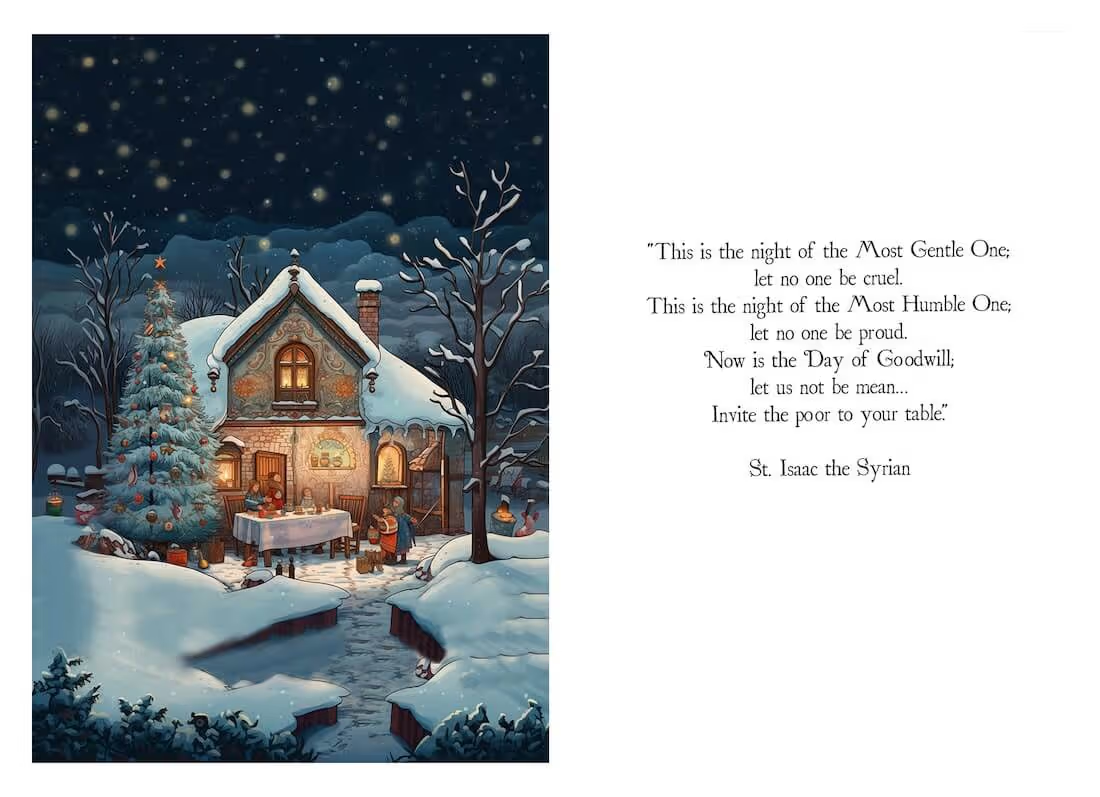
The Orthodox calendar is filled with numerous events and celebrations that hold great significance for the Romanian people. One such event is Christmas, celebrated on December 25th. The Romanian Christmas traditions are a unique blend of religious customs and ancient folklore. The festivities begin with the fasting period of Advent, which lasts for 40 days leading up to Christmas. During this time, people abstain from meat, dairy, and other indulgences as a way to prepare themselves spiritually for the birth of Christ.
On Christmas Eve, families gather for a festive meal known as "Cina de Ajun." The table is adorned with traditional dishes such as "sarmale" (cabbage rolls), "cozonac" (sweet bread), and "coliva" (a boiled wheat dish). After the meal, everyone attends the midnight mass, known as "Masa de la miezul noptii," where they celebrate the birth of Jesus Christ. The church is beautifully decorated with flowers, candles, and icons, creating a magical ambiance that adds to the joyous atmosphere of the celebration.
Another important event in the Orthodox calendar is Easter, known as "Paste" in Romanian. Easter is the most significant religious holiday for Orthodox Christians and is celebrated with great fervor and enthusiasm. The festivities begin on Holy Saturday, with the midnight resurrection service called "Invierea." Churches are packed with worshippers, and at midnight, the priest announces the resurrection of Christ, lighting the holy candle and sharing the flame with the congregation. Everyone carries their lit candles home, symbolizing the triumph of light over darkness.
On Easter Sunday, families gather for a festive meal that includes traditional dishes such as roasted lamb, "pască" (a sweet bread), and "drob" (a lamb offal terrine). The highlight of the day is the cracking of the colored eggs, a fun tradition where family members compete to see whose egg remains uncracked. The cracking of eggs symbolizes the breaking open of the tomb and the resurrection of Jesus Christ.
Traditions and Customs Associated with the Orthodox Calendar
The traditions and customs associated with the Orthodox calendar in Romania are deeply rooted in the country's history and folklore. These customs vary from region to region, adding to the diversity and richness of the calendar. One such tradition is the "Mărţişor," celebrated on March 1st. This ancient tradition marks the arrival of spring and is believed to bring good luck and prosperity. People exchange small tokens, usually in the form of red and white strings with tassels, known as "mărţişoare." These tokens are worn throughout the month of March and are believed to ward off evil spirits and bring good fortune.
Another unique tradition is the "Junii Brașovului" festival, celebrated in the city of Brașov during the first week of May. This festival dates back to the 18th century and is a celebration of youth and spring. Young men, dressed in traditional costumes, ride horses through the streets, performing traditional dances and songs. The festival is a colorful spectacle, showcasing the vibrant traditions and customs of the region.
The Role of Religion in Romanian Culture and Society
Religion plays a significant role in Romanian culture and society. The majority of Romanians identify as Orthodox Christians, and their faith is deeply intertwined with their daily lives. The Orthodox Church is not just a place of worship but also a center of community life. People gather in churches for religious services, baptisms, weddings, and funerals, seeking solace, guidance, and a sense of belonging.
Religious festivals and holidays are enthusiastically celebrated throughout the country, bringing communities together and reinforcing cultural ties. These celebrations are not just religious in nature but also serve as opportunities for people to reconnect with their roots, honor their ancestors, and pass down traditions to future generations.
Iconography and Religious Art in Orthodox Calendar Celebrations
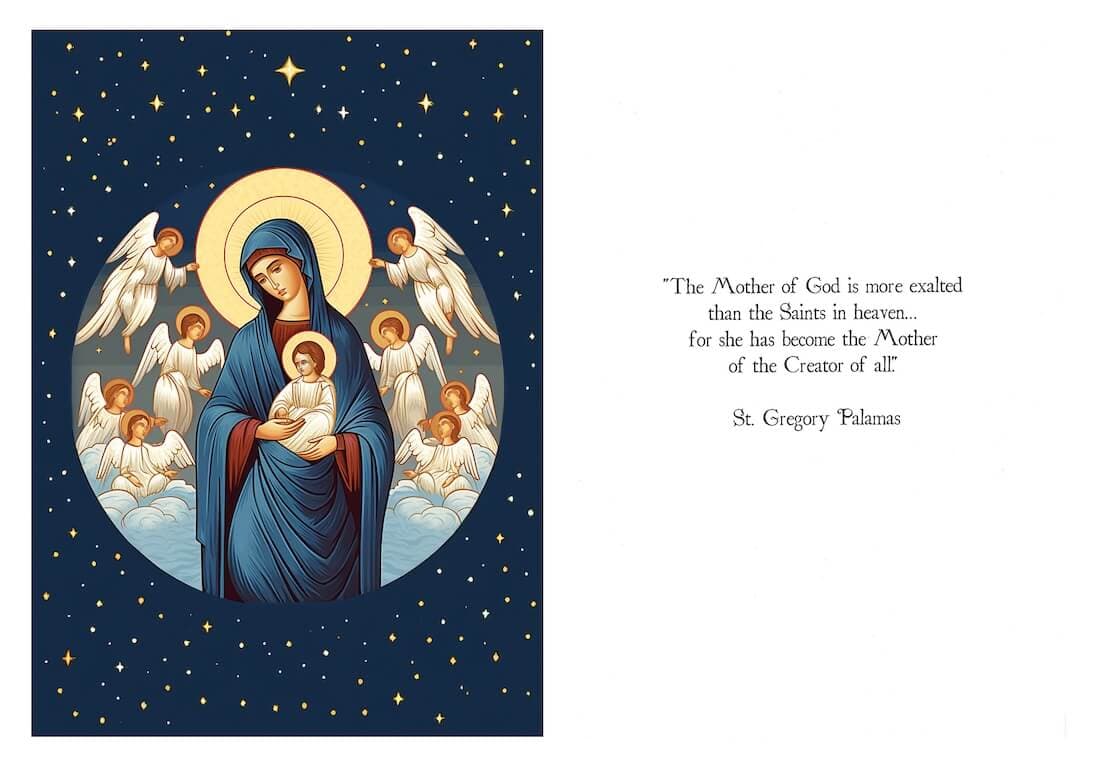
Iconography and religious art play a crucial role in Orthodox calendar celebrations. Icons are considered sacred objects and are venerated by Orthodox Christians. They are often displayed in homes, churches, and public spaces, serving as a visual representation of the divine. Icons are intricately painted, using techniques passed down through generations, and depict various saints, biblical scenes, and religious symbols.
During religious festivals and processions, icons are carried in procession, adorned with flowers and candles. These icons are believed to bring blessings and protection to those who venerate them. The art of iconography is highly respected in Romania, and many talented artists dedicate their lives to preserving this ancient tradition.
Pilgrimages and Religious Tourism in Romania
Romania is home to numerous religious sites and monasteries that attract pilgrims and tourists from around the world. These sites offer a glimpse into the rich spiritual heritage of the country and provide a serene and peaceful retreat for those seeking solace and reflection.
One such site is the Voroneț Monastery, located in northern Romania. Known as the "Sistine Chapel of the East," this monastery is famous for its stunning exterior frescoes, depicting scenes from the Bible. The vibrant blue color, known as "Voroneț blue," is unique to this monastery and has become an iconic symbol of Romanian art and culture.
Another popular pilgrimage site is the Sfânta Parascheva Monastery in Iași. Saint Parascheva is the patron saint of Moldavia, and her relics are believed to have miraculous healing powers. Pilgrims from all over Romania and beyond come to pay their respects and seek blessings at this holy site.
How the Orthodox Calendar Impacts Daily Life in Romania
The Orthodox calendar has a profound impact on the daily lives of the Romanian people. It not only influences the religious practices and observances but also shapes the cultural fabric of the country. The calendar provides a sense of structure and rhythm to life, with each season marked by its own set of traditions and festivities.
From the fasting periods of Advent and Lent to the joyous celebrations of Christmas and Easter, the Orthodox calendar sets the pace for the year. It offers a time for reflection, spiritual renewal, and community bonding. The calendar also influences the culinary traditions of Romania, with specific dishes and ingredients associated with each festivity.
Preserving and Promoting the Traditions of the Orthodox Calendar
Despite the challenges of modernization and changing lifestyles, the Romanian people are committed to preserving and promoting the traditions of the Orthodox calendar. Efforts are being made to document and record the customs and rituals associated with each festivity, ensuring that future generations can continue to experience the magic of these timeless traditions.
Various cultural organizations and institutions work tirelessly to safeguard the cultural heritage of Romania and raise awareness about the importance of the Orthodox calendar. Festivals, exhibitions, and workshops are organized to showcase the traditions and customs, inviting both locals and tourists to immerse themselves in the captivating tapestry of Romanian culture.
Orthodox Saints: Lives and Wisdom
In addition to its vibrant traditions and cultural celebrations, the Orthodox calendar in Romania also encompasses a rich spiritual tradition centered around the lives of saints and their wisdom. Orthodox Christians deeply venerate the saints, considering them as spiritual guides and intercessors. The calendar includes a compilation of saints' lives known as the "Lives of the Saints Calendar," which provides daily readings and reflections on the lives and teachings of these holy men and women.
The Lives of the Saints Fasting Calendar
The "Lives of the Saints Calendar" is a treasure trove of hagiography, offering glimpses into the extraordinary lives of saints from different eras and backgrounds. From martyrs who courageously faced persecution to ascetics who dedicated their lives to prayer and fasting, each saint's story serves as an inspiration and source of spiritual guidance for believers.
These accounts highlight the saints' virtues, miracles, and their unwavering commitment to their faith. The lives of the saints are filled with remarkable stories of faith, humility, compassion, and selflessness. They provide a roadmap for navigating the challenges of life and offer examples of unwavering devotion to God and love for humanity.
The Wisdom of the Divine Philosophers
Alongside the "Lives of the Saints Calendar," another significant aspect of the Orthodox spiritual tradition is "The Wisdom of the Divine Philosophers." This collection comprises the teachings and writings of revered theologians, philosophers, and mystics from the Orthodox Christian tradition. These profound and insightful texts delve into various aspects of theology, spirituality, morality, and the human experience.
"The Wisdom of the Divine Philosophers" encompasses a wide range of topics, including the nature of God, the meaning of life, the pursuit of virtue, and the path to spiritual enlightenment. These timeless writings offer guidance, contemplation, and deep reflection for believers on their spiritual journey.
Through the lives of the saints and the wisdom of the divine philosophers, the Orthodox calendar provides a holistic approach to spirituality, encompassing both practical examples of righteous living and profound theological insights. It offers a comprehensive framework for believers to deepen their faith, grow in wisdom, and cultivate a closer relationship with God.
As believers engage with the "Lives of the Saints Calendar" and delve into "The Wisdom of the Divine Philosophers," they are encouraged to emulate the virtues of the saints and apply the teachings of the philosophers in their daily lives. This integration of spirituality and practical wisdom helps shape their character, guide their moral choices, and foster a deeper understanding of their place in the world.
In Romania, there are various publications and resources available that compile the lives of the saints and the wisdom of the divine philosophers. These books serve as valuable companions for believers, providing daily inspiration, guidance, and spiritual nourishment. They offer a deeper connection to the Orthodox calendar, enabling individuals to integrate the teachings of the saints and the philosophers into their daily routines.
Conclusion: The Enduring Legacy of the Orthodox Calendar in Romania
The Orthodox calendar in Romania is more than just a religious calendar; it is a testament to the rich cultural heritage and traditions of the country. It provides a glimpse into a bygone era, where faith, folklore, and tradition were intricately intertwined. The calendar serves as a reminder of the enduring legacy of the Romanian people, their unwavering devotion, and their commitment to preserving their cultural identity.
As you step into the captivating world of the Orthodox calendar in Romania, you will be transported to a realm where time stands still, and ancient rituals come to life. From the vibrant celebrations of Christmas and Easter to the customs associated with Epiphany and Holy Week, each event is a testament to the resilience and cultural pride of the Romanian people.
So come, immerse yourself in the enchanting ceremonies and traditions that define the Orthodox calendar in Romania. Discover the captivating blend of faith, folklore, and tradition that sets this calendar apart and experience the magic of these timeless traditions. Unveil the rich tapestry of the Orthodox calendar and witness the enduring legacy of Romania's cultural heritage.
Carry the reading home.
Chosen from our shelves to go with what you've just read.
- Ships in 2–3 business days
- Secure checkout · Stripe
- Gift note at checkout
- Arrives damaged? Replaced
Continue the rhythm
of the Orthodox day.
Daily scripture, saints, and patristic wisdom - in the new native Apple companion or the browser-based web app.
Orthodox Daily Companion
The native Apple app, with a Home Screen widget, prayer reminders, and a private on-device journal.
Download on the App StoreLives of the Saints Web App
The browser experience for desktop, tablet, or phone, with a seven-day trial of the complete devotional library.
Open the web appMore from On Orthodoxy - continue reading.
- Journal12FebOn Orthodoxy
The Significance of the Protection of the Theotokos: A Celebration of Divine Protection
On October 1st, Orthodox Christians celebrate the Protection of the Theotokos, commemorating a miraculous event in the 10th century. This feast serves as a testament to the Virgin Mary's intercession, divine protection, and the importance of faith and unity in worship. Dive into the rich history and spiritual significance of this revered celebration.
Read article - Journal26JanOn Orthodoxy
The Role of Prayer and Meditation in Orthodox Christianity
This article offers an in-depth exploration of the vital role of prayer and meditation in Orthodox Christianity. It delves into the historical and theological foundations of these spiritual practices, examining their significance in the journey towards theosis, or spiritual transformation. The piece also discusses the various forms of prayer and meditation unique to Orthodox tradition, such as the Jesus Prayer and Hesychasm, and their transformative impact on believers. Furthermore, it addresses the challenges of maintaining these practices in the contemporary world and their enduring relevance in providing solace and spiritual growth.
Read article - Journal25JanOn Orthodoxy
7 Pillars of Faith in Orthodox Christianity You Should Know
Orthodox Christianity isn’t just a belief - it’s a roadmap for the soul. Discover the 7 pillars of Orthodoxy, from the Holy Trinity to life’s ultimate purpose, and see how these profound truths can bring meaning, peace, and depth to your spiritual journey.
Read article
Fresh from the journal - newly published.
- Journal30Nov
Mount Sinai in Orthodox Christianity: Where Heaven Meets Earth
Discover why Mount Sinai stands as a profound symbol in Orthodox Christianity, representing the divine meeting point between God and humanity.
Read article - Journal01Mar
The Holy Fire Miracle in Jerusalem: A Testament of Faith for Orthodox Christians
Every Orthodox Holy Saturday in Jerusalem, an unexplainable flame emerges from Christ's tomb. This Holy Fire isn't just tradition; it's a living testament to faith, inviting believers worldwide to witness and reflect on its profound significance.
Read article - Journal01MarOrthodox Saints
The Life and Legacy of Saint Basil the Great: A Pillar of Orthodox Theology
Did you know Saint Basil defended the Trinity during a time of great heresy? His writings on the Holy Spirit and creation still inspire Orthodox theology. Learn about his contributions to faith and his lasting influence on the Church.
Read article
Keep reading the tradition.
Meet the saints
Martyrs, ascetics, and wonderworkers - the lives behind the feasts.
ExploreOrthodox countries
How the faith is lived and kept across the Christian world.
ExploreMobile & web apps
Carry the daily rhythm on iPhone and iPad or continue in the browser-based web app.
ExploreThe 2027 Calendar
A saint for every day of the year - now open for pre-order.
Explore