
Saint Moses the Black.
- Born
- 330 · Ethiopia
- Fell asleep
- 405
- Feast day
- August 28 (New) · September 10 (Old)
Get a reminder on the feast in Orthodox Daily Companion → - Country
- Ethiopia
The life of St. Moses the Black About Saint
Moses the Black
Saint Moses the Black, also known as Abba Moses, stands as a powerful testament to the transformative power of repentance and redemption. From a life of crime to becoming a revered desert monk, his journey is one of profound change, embodying the very essence of Christian transformation.
Early years
Born in the 4th century in Ethiopia, Moses was initially a slave to a government official. However, after being dismissed for theft and suspected murder, he became a notorious gang leader, feared by many for his strength, size, and criminal activities.
In the Church
Moses's life took a dramatic turn when, while seeking refuge from local authorities, he stumbled upon a colony of desert monks in the Wadi El Natrun, in Egypt. Their peace, contentment, and faith deeply impressed him. Struck by their unwavering faith and the depth of his own sins, he underwent a profound spiritual transformation.
He was baptized and embraced monastic life under the guidance of Saint Isidore the Priest. Moses's dedication to his newfound faith was profound. He took to the ascetic life with zeal, often combining prayer with manual labor and exhibiting a deep sense of humility and repentance for his past transgressions.
Later years
As the years passed, Moses's wisdom, humility, and spiritual insights were recognized by his peers. He was ordained a priest and later founded a monastic community, guiding over 75 monks.
However, his journey was not without trials. Moses was often haunted by memories of his past and would seek counsel from the wise Abba Isidore whenever he was in turmoil.
In the year 405 AD, Moses and seven other monks were martyred at the hands of bandits during an attack on the monastery. Recognizing the threat, he urged the monks to flee, choosing to stay back with the few who remained, meeting the invaders with open arms and prayer rather than resistance.
Legacy and veneration
Saint Moses the Black's life story remains an enduring lesson on redemption and the boundless mercy of God. His journey from a feared bandit to a beloved monk exemplifies the potential for change and serves as a beacon of hope for all seeking transformation. His story is especially significant for those exploring the lives of black orthodox saints, offering a rich narrative of spiritual awakening and redemption.
For those eager to understand more about the life, teachings, and spiritual insights of orthodox saints, delve into our collection of books here. We also extend an invitation to explore other monumental figures in the vast and rich tradition of Orthodox Christianity.
Veneration of St. Moses the Black How the saint's
memory is kept.
- Where are the relics of Saint Moses the Black
- The relics of Saint Moses the Black, also known as Abba Moses the Robber due to his early life as a bandit before his conversion to Christianity, are believed to be located in the Monastery of St. Moses the Abyssinian (also known as the Monastery of St. Moses the Ethiopian) in the Syrian desert near the town of Nabk, approximately 80 kilometers north of Damascus. This ancient monastery was established in honor of Saint Moses and has been a place of pilgrimage for centuries. Over time and due to various historical circumstances, it is possible that some relics or portions may have been relocated or distributed to other churches or monasteries, but the primary veneration site remains the aforementioned monastery in Syria.
Frequently asked Questions about
St. Moses the Black.
- When is the feast day of St. Moses the Black?
- The Church commemorates St. Moses the Black on August 28. Parishes that keep the Old (Julian) Calendar celebrate the same feast on September 10 of the civil calendar.
- Where are the relics of St. Moses the Black?
- The relics of Saint Moses the Black, also known as Abba Moses the Robber due to his early life as a bandit before his conversion to Christianity, are believed to be located in the Monastery of St. Moses the Abyssinian (also known as the Monastery of St. Moses the Ethiopian) in the Syrian desert near the town of Nabk, approximately 80 kilometers north of Damascus. This ancient monastery was established in honor of Saint Moses and has been a place of pilgrimage for centuries. Over time and due to various historical circumstances, it is possible that some relics or portions may have been relocated or distributed to other churches or monasteries, but the primary veneration site remains the aforementioned monastery in Syria.
Carry the tradition with you.
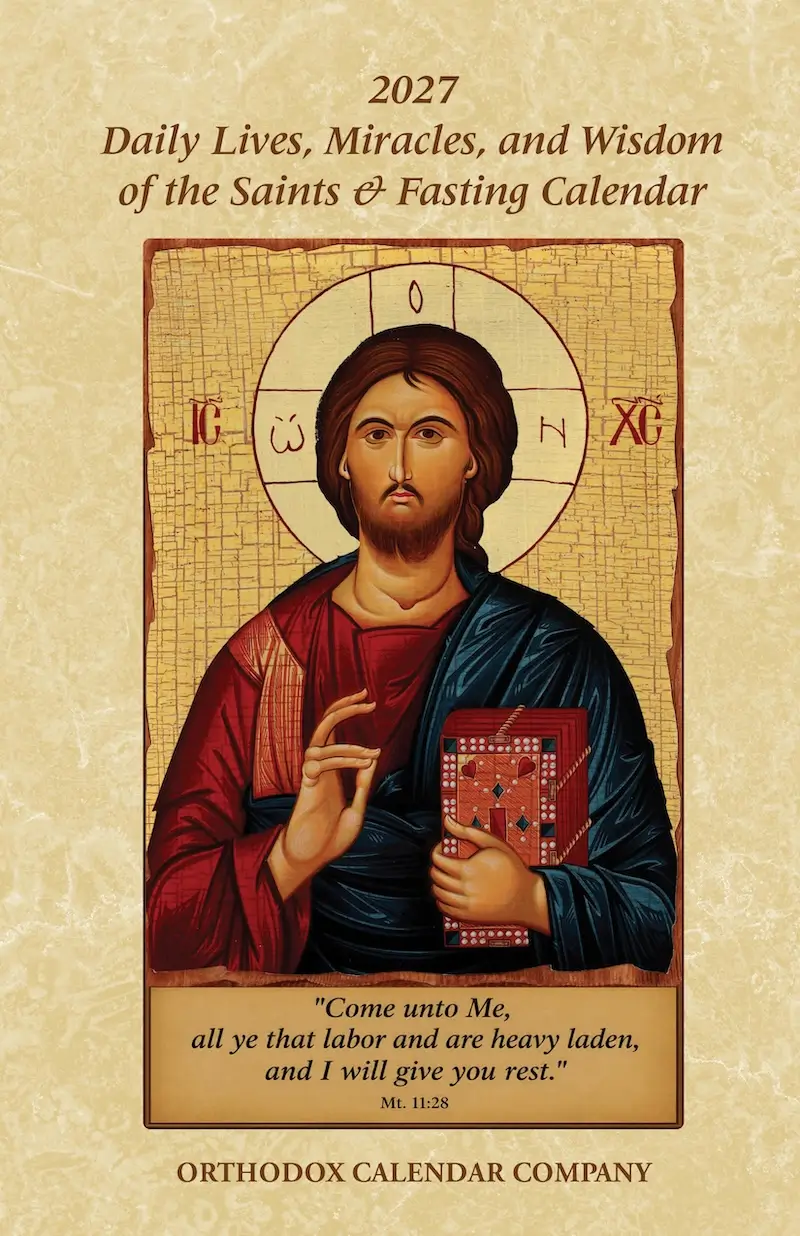
Hand-finished icons, books, and calendars to carry the Orthodox day into your home.
Read a life like this
every morning.
Meet the daily saints through Orthodox Daily Companion on iPhone and Android, or through the Lives of the Saints web app in any modern browser.
Orthodox Daily Companion
The native app for iPhone, iPad, and Android, with daily prayer reminders and a private journal.
Lives of the Saints Web App
The browser experience for desktop, tablet, or phone, with a seven-day trial of the complete devotional library.
Open the web appGet a life like this one on every new tab - free, no account, from the same catalogue.
More from the tradition.
Read the Journal
Essays on feasts, fasting, and the rhythm of the Church year.
ExploreOrthodox countries
How the faith is lived and kept across the Christian world.
ExploreThe 2027 Calendar
A saint, a reading, and the day's fasting guideline for every day of 2027.
ExploreMobile & web apps
Carry the daily rhythm on iPhone and Android or continue in the web app.
Explore