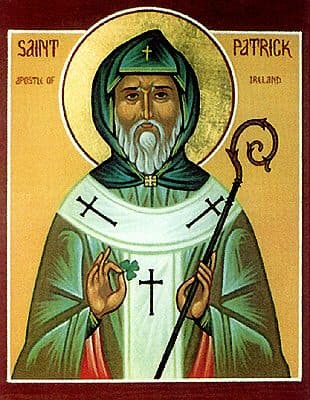
Saint Patrick
of Ireland.
- Born
- c. 385–390 · Britain
- Fell asleep
- March 17, c. 461
- Feast day
- March 17 (New) · March 30 (Old)
Get a reminder on the feast in Orthodox Daily Companion → - Country
- Ireland
The life of St. Patrick of Ireland About St.
Patrick of Ireland
Saint Patrick of Ireland, venerated in the Orthodox Church as the "Enlightener of Ireland" and Equal-to-the-Apostles, stands as one of the most beloved and transformative figures in Christian history. His extraordinary mission to convert an entire pagan nation to Christ - accomplished through tireless journeys, steadfast courage, and deep prayer - earned him a place of highest honor among the pre-Schism saints of the West.
Early years
Saint Patrick was born around 385 in Britain, the son of a Roman deacon. Though raised in the Christian faith, he was spiritually complacent in his youth - until Irish raiders captured him at sixteen and sold him into slavery. Set to work herding swine, he spent six years in captivity, during which he prayed constantly and grew deeply in his love for God.
After receiving two visions from God, Patrick escaped his captors and made his way two hundred miles on foot to the coast, eventually returning to his homeland. His years of suffering and solitude had transformed him, kindling within him a burning desire to bring the Gospel to the very people who had enslaved him.
In the Church
After returning to Britain, Patrick traveled to Gaul where he studied for the priesthood under Saint Germanus of Auxerre. Consecrated a bishop, he was entrusted with the mission to Ireland around 432. His labors bore such fruit that within seven years, three additional bishops were sent from Gaul to help shepherd the growing flock.
Patrick traveled tirelessly across Ireland, baptizing thousands, founding churches and monasteries, and confronting paganism at every turn. He faced hostility, betrayal, and capture many times over, yet pressed on undeterred. It was during this mission that he famously used the three-leaved shamrock to illustrate the mystery of the Holy Trinity to the Irish people.
Later years
When he came to Ireland as its enlightener, it was a pagan country. When he ended his earthly life some thirty years later, around 461, the Faith of Christ was established in every corner.
Saint Patrick died on March 17, 461. Saint Columba of Iona says that the Holy Spirit revealed to him that Patrick was buried at Saul, the site of his first church. Patrick is venerated as a saint in the Eastern Orthodox Church, where he is regarded as equal-to-the-apostles and Enlightener of Ireland. On March 9, 2017, his name was added to the Russian Orthodox Church calendar by the Holy Synod.
Legacy and veneration
By the time he died, Saint Patrick had baptized tens of thousands into the faith. He is said to have founded 365 churches and consecrated the same number of bishops, and ordained 3,000 presbyters. The real Saint Patrick had less in common with modern preachers and more with the eastern mystics and Desert Fathers. He prayed hundreds of times in the day and night, truly understanding what it means to "pray without ceasing," and memorized the Psalms, praying fifty of them each day.
His legacy endures in the Celtic Cross, in the beloved Saint Patrick's Breastplate prayer, and in the countless souls brought to Christ through his mission. To this day, Orthodox Christians throughout the world venerate him on March 17 and seek his intercession.
Veneration of St. Patrick of Ireland How the saint's
memory is kept.
- Where are the relics of Saint Patrick of Ireland?
- The remains of Saint Patrick are traditionally held to rest beneath Down Cathedral in Downpatrick, Down, though the exact location is buried somewhere beneath the present cathedral structure. His grave is commemorated by a locally-sourced Mourne granite marker, erected in 1900. In 1186, the relics of Saints Patrick, Columcille, and Brigid were formally translated at Downpatrick in the presence of fifteen bishops and a great gathering of clergy. Several of his relics are preserved and venerated today: the National Museum of Ireland in Dublin holds an iron bell attributed to Saint Patrick, which was among a collection of his relics removed from his tomb in antiquity. The Shrine of Saint Patrick's Hand, a 14th-century reliquary, is held by the Ulster Museum in Belfast and is still used during the Divine Liturgy on Saint Patrick's Day at Saint Patrick's Parish in Belfast. A tooth relic, enshrined in gilded casings over many centuries, was eventually gifted to the National Museum of Ireland in Dublin, where it can be seen today.
Frequently asked Questions about
St. Patrick of Ireland.
- When is the feast day of St. Patrick of Ireland?
- The Church commemorates St. Patrick of Ireland on March 17. Parishes that keep the Old (Julian) Calendar celebrate the same feast on March 30 of the civil calendar.
- Where are the relics of St. Patrick of Ireland?
- The remains of Saint Patrick are traditionally held to rest beneath Down Cathedral in Downpatrick, Down, though the exact location is buried somewhere beneath the present cathedral structure. His grave is commemorated by a locally-sourced Mourne granite marker, erected in 1900. In 1186, the relics of Saints Patrick, Columcille, and Brigid were formally translated at Downpatrick in the presence of fifteen bishops and a great gathering of clergy. Several of his relics are preserved and venerated today: the National Museum of Ireland in Dublin holds an iron bell attributed to Saint Patrick, which was among a collection of his relics removed from his tomb in antiquity. The Shrine of Saint Patrick's Hand, a 14th-century reliquary, is held by the Ulster Museum in Belfast and is still used during the Divine Liturgy on Saint Patrick's Day at Saint Patrick's Parish in Belfast. A tooth relic, enshrined in gilded casings over many centuries, was eventually gifted to the National Museum of Ireland in Dublin, where it can be seen today.
A saint for every day.
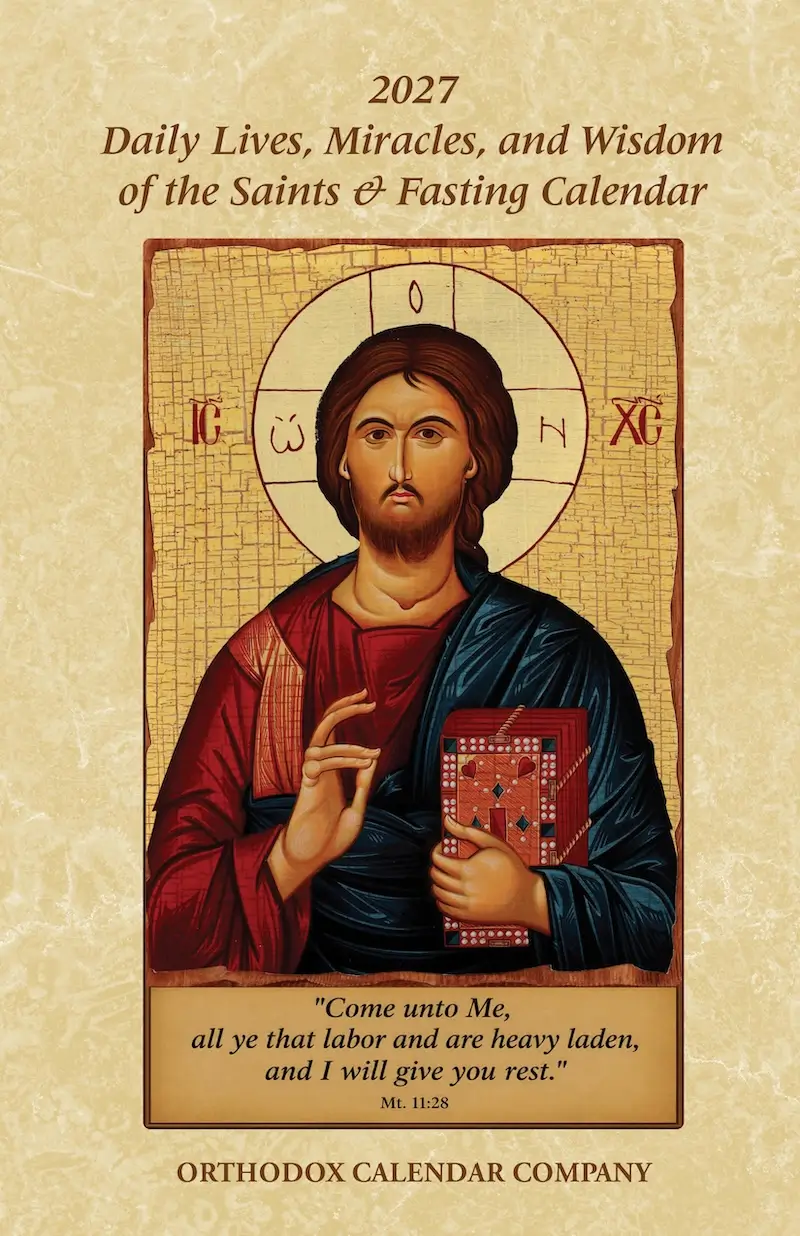
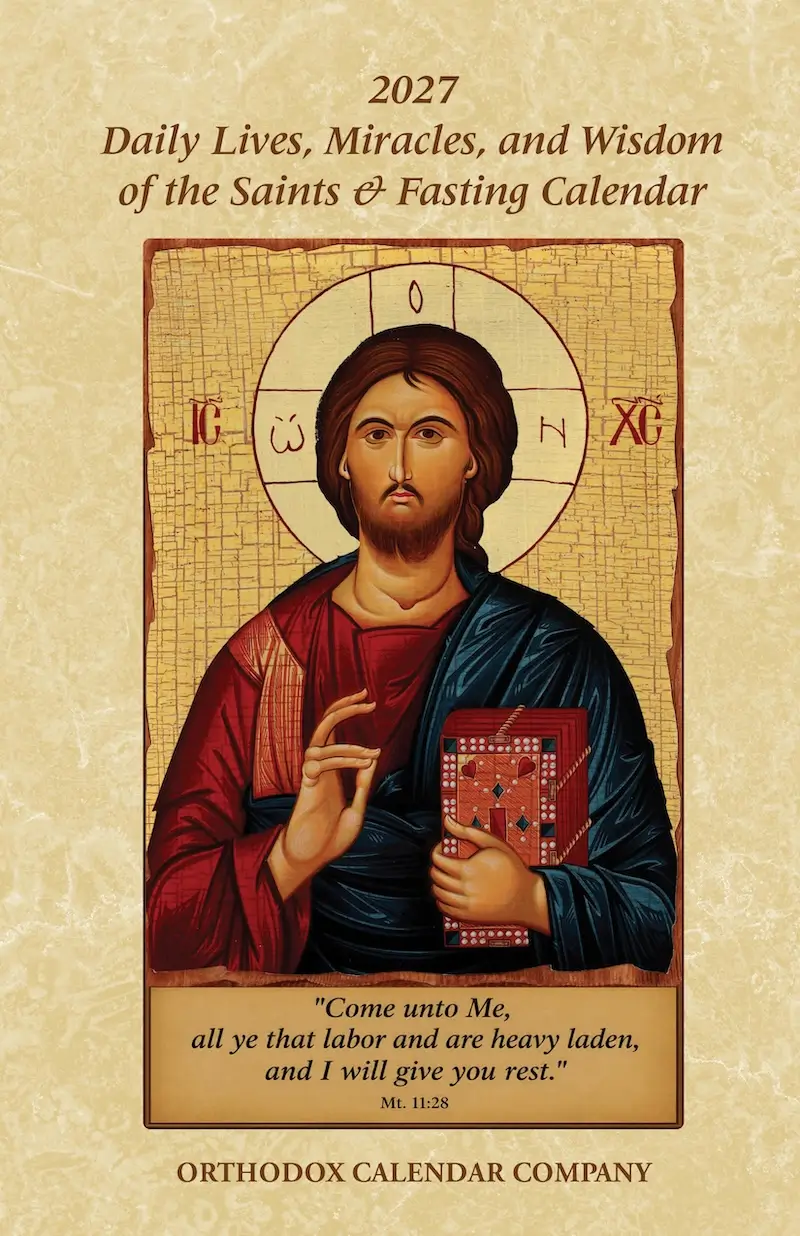
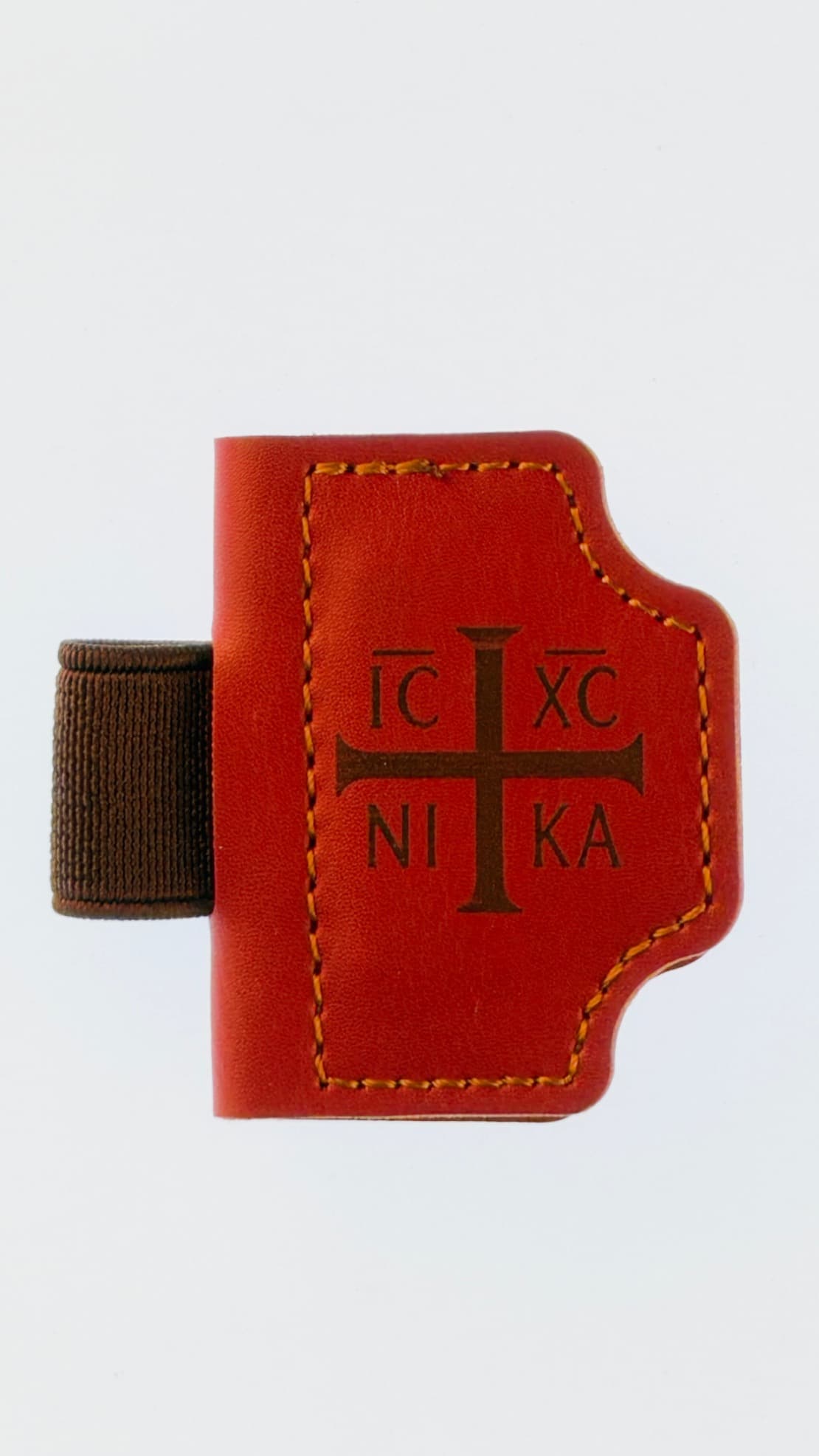
A saint, a reading, and the day's fasting guideline for every day of the year - with gifts for the icon corner beside it.
- Ships in 2–3 business days
- Secure checkout · Stripe
- Gift note at checkout
- Arrives damaged? Replaced


Read a life like this
every morning.
Meet the daily saints through Orthodox Daily Companion on iPhone and Android, or through the Lives of the Saints web app in any modern browser.
Orthodox Daily Companion
The native app for iPhone, iPad, and Android, with daily prayer reminders and a private journal.
Lives of the Saints Web App
The browser experience for desktop, tablet, or phone, with a seven-day trial of the complete devotional library.
Open the web appGet a life like this one on every new tab - free, no account, from the same catalogue.
Related stories
More from the tradition.
Read the Journal
Essays on feasts, fasting, and the rhythm of the Church year.
ExploreOrthodox countries
How the faith is lived and kept across the Christian world.
ExploreThe 2027 Calendar
A saint, a reading, and the day's fasting guideline for every day of 2027.
ExploreMobile & web apps
Carry the daily rhythm on iPhone and Android or continue in the web app.
Explore