8 Orthodox Saints Whose Books You Can Still Read
From On the Incarnation to the Philokalia - eight saints who wrote the books Orthodox Christians still read, and where to start with each.
5 min read
Entry details
- Published
- October 31, 2026
- Filed under
- Orthodox Saints
- Reading time
- 5 min read
The Orthodox Church reads its saints as well as celebrates them. Much of its prayer, preaching and theology was written by people it now commemorates, and most of their books are in print in good English translations. Here are eight saints who wrote, with a suggestion of where to begin with each.
1. St. Athanasius of Alexandria - On the Incarnation
Feast: January 18
Athanasius spent his life defending the faith of Nicaea, that the Son of God is true God, of one essence with the Father, and was driven into exile five times for it; his friend St. Paulinus of Trier died in exile for defending him. He wrote On the Incarnation as a young man, and it is still the best short answer to why God became man. His Life of St. Antony set the pattern for every life of a saint written after it.
Start with: On the Incarnation. Read the life of St. Athanasius →
2. St. Basil the Great - On the Holy Spirit
Feast: January 1
Bishop of Caesarea in Cappadocia, Basil shaped the monastic life of the East with his rules, built a whole city of hospitals and hostels for the poor outside his own, and wrote On the Holy Spirit to defend the Spirit's divinity. The Church still serves his Divine Liturgy ten times a year, including the Sundays of Great Lent and his own feast.
Start with: On the Holy Spirit, or his sermons on the six days of creation. Read the life of St. Basil →, and more in the life and legacy of St. Basil.
3. St. John Chrysostom - the golden-mouthed preacher
Feast: November 13
The great preacher of Antioch and Archbishop of Constantinople left more sermons than any other Father of the Greek Church, working verse by verse through Genesis, the Gospels and the letters of St. Paul. He spoke plainly about wealth and the poor and was exiled for it, dying on the road in 407. The Divine Liturgy most parishes serve each Sunday bears his name, and his Paschal sermon is read aloud at every Paschal service.
Start with: his Paschal sermon, then his homilies on Matthew. Read the life of St. John Chrysostom →
4. St. John Climacus - The Ladder of Divine Ascent
Feast: March 30, and the fourth Sunday of Great Lent
Abbot of the monastery at Mount Sinai that now bears the name of St. Catherine, John wrote The Ladder for monks: thirty steps, one for each year of Christ's hidden life, from renouncing the world up to love. It is blunt, funny in places and searching everywhere. Monasteries read it aloud through Great Lent, and the Church gives him a Sunday of the fast.
Start with: The Ladder, one step at a time. Read the life of St. John Climacus →
5. St. Isaac the Syrian - the Ascetical Homilies
Feast: January 28
A seventh-century monk of the Church of the East, Isaac was bishop of Nineveh, in what is now Iraq, for only a few months before he withdrew to the desert. His Ascetical Homilies are among the most loved books of Orthodox monasticism. He writes about prayer, stillness and, above all, the merciful heart that burns with love for every creature. One line has gone around the world: "Be at peace with your own soul, and heaven and earth will be at peace with you."
Start with: a few of the Ascetical Homilies. Read the life of St. Isaac →
6. St. John of Damascus - On the Divine Images
Feast: December 4
John served at the caliph's court in Damascus before becoming a monk at the Lavra of St. Sabbas near Jerusalem. From there he wrote the treatises that defended the holy icons when the Byzantine emperors were destroying them, and An Exact Exposition of the Orthodox Faith, a summary of the Church's teaching still in use. He was a poet too: his canon "It is the day of Resurrection" is sung every year at Pascha. He shares his feast with St. Barbara.
Start with: On the Divine Images. Read the life of St. John of Damascus →
7. St. Nicodemus the Hagiorite - the Philokalia
Feast: July 14
A monk of Mount Athos from the island of Naxos, Nicodemus spent his life gathering and editing the spiritual treasury of the Church. With St. Macarius of Corinth he published the Philokalia in 1782, a collection of writings on the prayer of the heart from the fourth to the fifteenth century, among them those of St. Peter of Damascus. Through the Slavonic translation of St. Paisius Velichkovsky it fed the great revival of the Jesus Prayer in Russia and Romania. Nicodemus also gave the Church Unseen Warfare and the collection of its canons known as The Rudder.
Start with: his Handbook of Spiritual Counsel, or the first volume of the Philokalia. Read the life of St. Nicodemus →
8. St. Demetrius of Rostov - the Lives of the Saints
Feast: October 28
For twenty years, through moves between monasteries and long illness, Demetrius gathered and retold the lives of the saints for every day of the year. His Lives of the Saints became the standard of the Slavic Orthodox world. He finished it as Metropolitan of Rostov, where he reposed in 1709. Every saint-of-the-day reading, ours included, owes him something.
Start with: the life of the saint whose feast falls on your birthday. Read the life of St. Demetrius →
For more reading, see our picks of must-read Orthodox books.
More lists of the saints
7 Orthodox Saints Who Brought the Faith to America - from the monks of Kodiak to a wonderworker of San Francisco
8 Orthodox Saints of the Twentieth Century - elders of Athos, a holy fool of Tbilisi and a martyr of Auschwitz
7 Holy Women of the Orthodox Church - martyrs, a princess, an evangelist and the enlightener of Georgia
7 Orthodox Saints of the West Before the Great Schism - Ireland, Scotland, Germany, Austria, Spain and Italy in the undivided Church
Or browse every saint on our calendar, and read why the Church honors them in the role of saints in Orthodox Christianity.
Read the saint of the day each morning - free on iPhone and Android →
Common questions
What should I read first from the Church Fathers?
St. Athanasius's On the Incarnation is short, clear and often recommended first. For prayer and the spiritual life, many begin with The Ladder of Divine Ascent or a selection from the Philokalia.
What is the Philokalia?
A collection of writings on prayer and watchfulness by Orthodox saints from the fourth to the fifteenth centuries, compiled by St. Nicodemus the Hagiorite and St. Macarius of Corinth and published in 1782. Its name means "love of the beautiful."
Carry the reading home.
Chosen from our shelves to go with what you've just read.
- Ships in 2–3 business days
- Secure checkout · Stripe
- Gift note at checkout
- Arrives damaged? Replaced
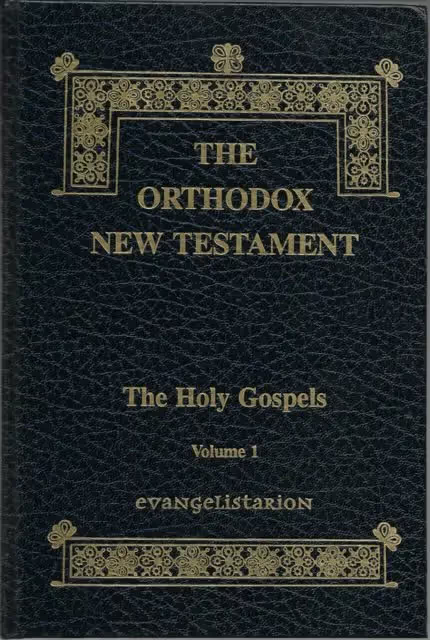
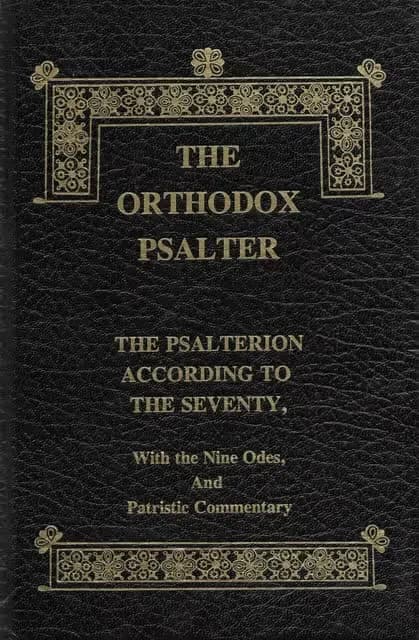
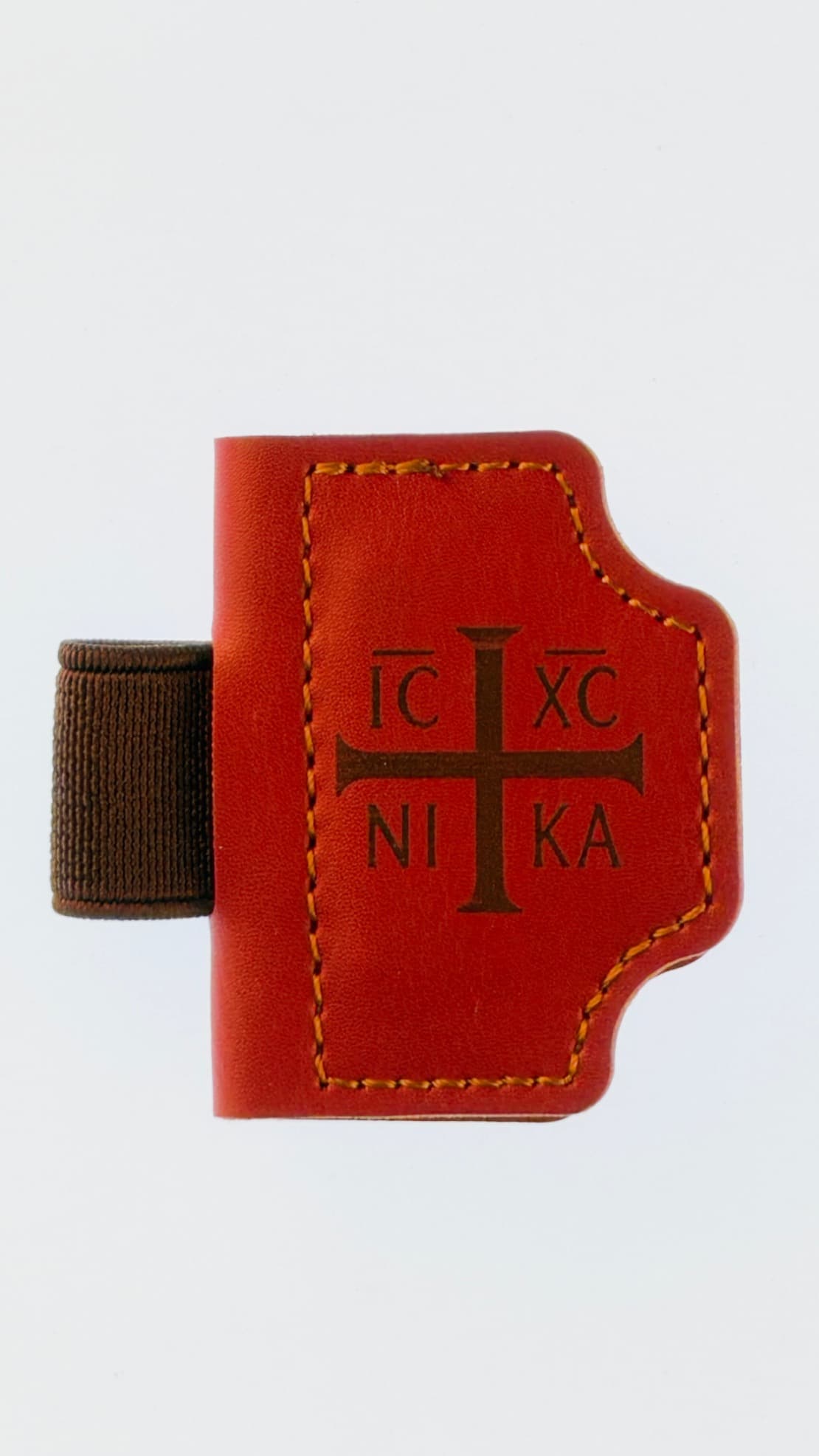
Continue the rhythm
of the Orthodox day.
Daily scripture, saints, and patristic wisdom - in the new native app for iPhone and Android or the browser-based web app.
Orthodox Daily Companion
The native app for iPhone, iPad, and Android, with daily prayer reminders and a private journal.
Lives of the Saints Web App
The browser experience for desktop, tablet, or phone, with a seven-day trial of the complete devotional library.
Open the web appMore from Orthodox Saints - continue reading.
- Journal31OctOrthodox Saints
7 Orthodox Saints Who Brought the Faith to America
Alaska's first monks, a bishop of Brooklyn, a future Patriarch of Moscow and a wonderworker of San Francisco - seven saints who planted Orthodoxy in America.
Read article - Journal31OctOrthodox Saints
8 Orthodox Saints of the Twentieth Century
Monks of Mount Athos, a hospital chaplain, a scholar who died at Auschwitz and a holy fool from Tbilisi - eight saints who lived within living memory.
Read article - Journal31OctOrthodox Saints
7 Holy Women of the Orthodox Church
An evangelist, three virgin martyrs, the enlightener of a nation, a ruler of Kiev and a holy fool - seven women saints every Orthodox Christian should know.
Read article
Fresh from the journal - newly published.
- Journal31OctOrthodox Saints
7 Orthodox Saints of the West Before the Great Schism
Ireland, Scotland, Germany, Austria, Spain and Italy all gave saints to the undivided Church. Seven Western saints the Orthodox Church still honors.
Read article - Journal30Nov
Mount Sinai in Orthodox Christianity: Where Heaven Meets Earth
Discover why Mount Sinai stands as a profound symbol in Orthodox Christianity, representing the divine meeting point between God and humanity.
Read article - Journal01Mar
The Holy Fire Miracle in Jerusalem: A Testament of Faith for Orthodox Christians
Every Orthodox Holy Saturday in Jerusalem, an unexplainable flame emerges from Christ's tomb. This Holy Fire isn't just tradition; it's a living testament to faith, inviting believers worldwide to witness and reflect on its profound significance.
Read article
Keep reading the tradition.
Meet the saints
Martyrs, ascetics, and wonderworkers - the lives behind the feasts.
ExploreOrthodox countries
How the faith is lived and kept across the Christian world.
ExploreMobile & web apps
Carry the daily rhythm on iPhone and Android or continue in the browser-based web app.
ExploreThe 2027 Calendar
A saint, a reading, and the day's fasting guideline for every day of 2027.
Explore